
So this has taken me way too long to complete (hence the name) but in my defence, we tasted a lot of wine at this visit!
Creekside Estate Winery is a medium-large sized winery operation in Niagara and I have been a fan since visiting there a couple years ago. They specialize in bold reds, but have an affinity for some pretty unique wines as well.
When Matt Loney and I were chatting at the Ottawa Wine and Food show, he had casually suggested I drop by the winery for a barrel tasting next time I was down. Having made arrangements prior to out visit, Matt took time out of his busy day off (raking leaves…so maybe he was happy to escape!?) and met us at the winery
There are 3 lines at Creekside – the Estate, Reserve, and the Undercurrent. The “Reserve” label is reserved for those wines that are just a bit better than the standard fare, while the “Undercurrent” label is reserved for the truly extraordinary wines.
We started with a sampling of the near-complete lineup that was available at the tasting bar. Here’s what we tasted:
2010 Sauvignon Blanc ($14): A typical nose with gooseberry, grass, and light cat-pee aromas (I’m not the person who made that descriptor up!). Lemon, mineral, and a hint of tropical fruit complement the palate, and the finish is dry and refreshing with hints of lime zest.
2007 Undercurrent Über Sauvignon Blanc ($37): With a much steeper price, you know this is going to be quite a different wine. Maturing this wine in oak barrels has added a nose very similar to a fully-oaked Chardonnay, although there are still aspects of the original Sauv Blanc in the background. On the palate the oak has added a nutty, marzipan component and a voluptuous body that makes this one heck of a unique wine.
2009 Laura’s White ($19): A blend of Sauv Blanc, Pinot Gris, Chardonnay, Muscat, and Viognier has created an unbelieveable summer sipper. The crisp clean lemon and mineral refreshes. and then the finish just disappears, leaving your mouth watering for more.
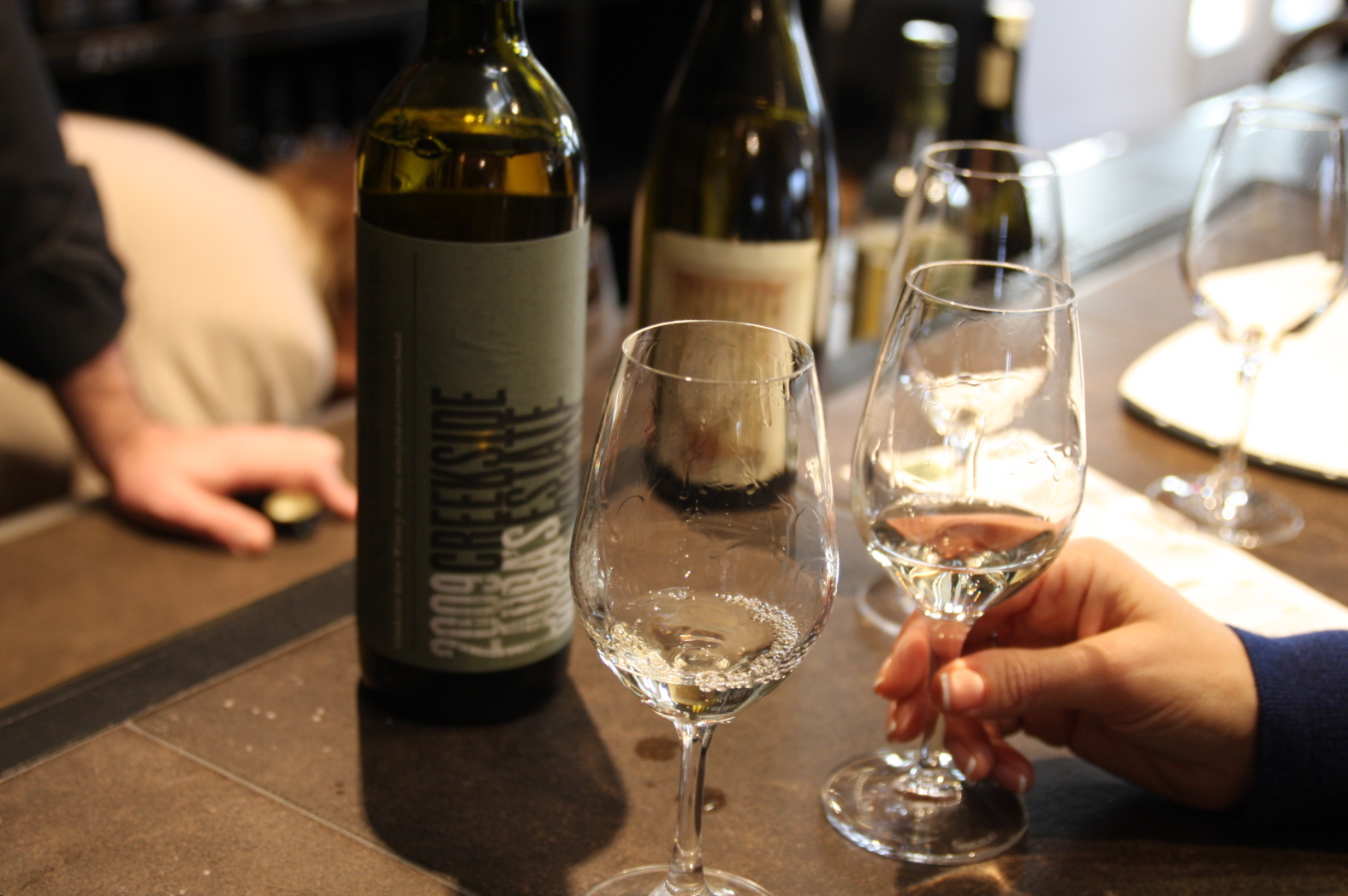
2009 Reserve Viognier ($30): With a typical brix in the 24-25 range, this wine goes through a very gentle pressing. The nose is floral, honey, and some nutty notes. On the palate, there is almost an oily consistency to the wine, with full bodied peach and pineapple. There is a slightly tart, crisp finish with tangerine notes.
2000 X Blanc de Blanc ($50): Having been left 10 years on the lees, this sparkling wine is truly unique. The minute bubbles quickly bring the unusual bread crust notes to your nose, while the mouth remains crisp with the citrus notes. Some people note that it reminds them of Christmas cake! Only 120 cases were made of this wine.

2007 Laura’s Red ($20): A Bordeaux blend (39.5% Cabernet Sauvignon, 39% Merlot, 15% Cabernet Franc, 6% Malbec and 0.5% Petit Verdot), this has been one of my favourite Niagara reds since my visit to Creekside in 2010 and it is a superb value at $20. Buy some to hold as I think this one will be interesting to watch over the next 5 years.
2007 Broken Press Shiraz ($40): In the Rhone style Syrah, this Shiraz has 3-5% Viognier added. With both white pepper and black pepper on the nose, the slightly sweet fruit and spice fills the mouth with long-lasting flavour. A nice balance of tannins with the fruit and spice means that this one will be interesting to watch over time as well. Excellent example of Ontario Shiraz/Syrah from a great year.
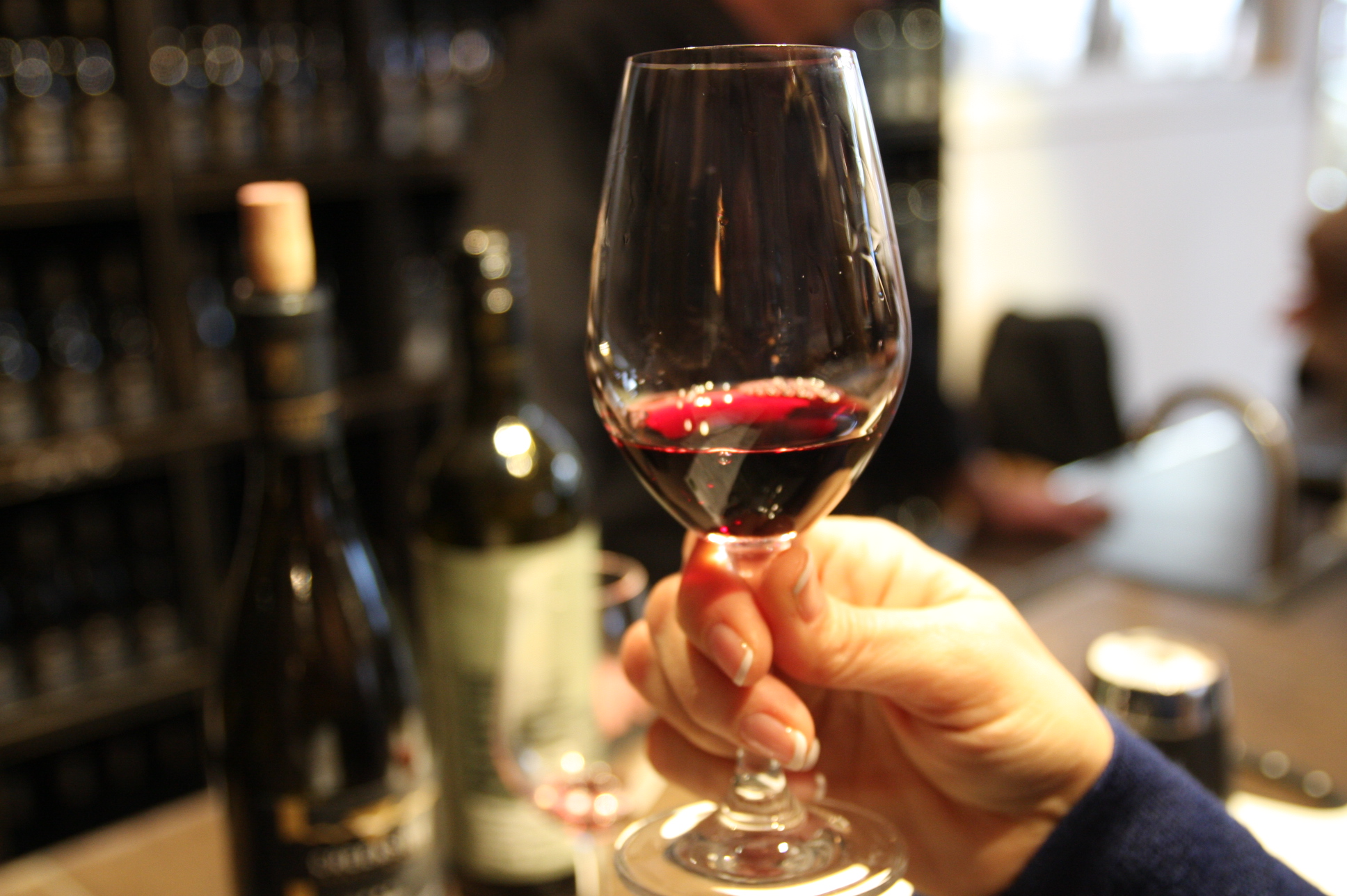
2007 Reserve Shiraz ($37): A blend of two clones (Clone 1 and Clone 100) from France and Australia aged in American oak for ~25 months has resulted in a big wine. Unlike the jamminess we sometimes see from really hot climes, this one has lots of acidity and bright red fruit like cherries come to mind. The American oak adds a nice sweet spice & vanilla component. Still quite tannic I would hold this for a while (+5 yrs) before drinking, or pair it with a juicy rare steak.
 2007 Undercurrent Malbec ($33): Another unique wine, this 100% Malbec has a lot of vanilla and light vegetal notes on the nose. There is lots of dark fruit and chocolate on the palate, and surprising acidity to go with the luscious tannins. Very long vanilla finish from the 21 months in barrel.
2007 Reserve Merlot ($35): Creekside occasionally uses some “Keystone” barrels (from Pennsylvania) made of American oak which adds a smoky maple bacon component to the wine, especially after 31 months in the 50% new oak. Intense smoke imbues the dark, rich plums. Again, a wine for the cellar as it will only get smoother with time.
2007 Reserve Cabernet Sauvignon ($35): I had tried this beauty at the Ottawa Wine and Food Show, and it should have been on my list of remarkable wines of 2011. A big, bold Cab from Ontario doesn’t happen every year, and this one is a shining example of what Ontario can produce in those optimal years. A lovely integration of juicy dark fruit, light spices, and loads of smooth tannins from the 31 months in the (mostly new) French Oak. Very drinkable now, I think this will reveal lots of different layers as it ages.
Matt then took us for a little tour of the winery, expanding on a previous discussion about giving up the Gretzky brand and why Creekside had let it go. With crammed quarters at their winery, they had been forced to start using space in several different locations which was not only difficult from a logistics point of view, but it had softened their focus on the Creekside brand and wines. I never realized that Creekside (+Gretzky) had grown to such a size – they were definitely larger than I had thought, with about 47,000 case production peak (~35,000 Gretzky label and remainder Creekside). With the Gretzky brand going over to Peller, Creekside will have the time and energy to focus more on the Creekside portfolio.
Indeed the new, cleaner labels (with the tagline “Serious wine from an irreverent bunch”), the renaming of their wine club to “Creek Freaks”, there is fresh enthusiasm to the winery that is truer to the roots of the core team. And that sense of fun and the team’s willingness to experiment explains a few of the special wines we got to taste in the cellar.
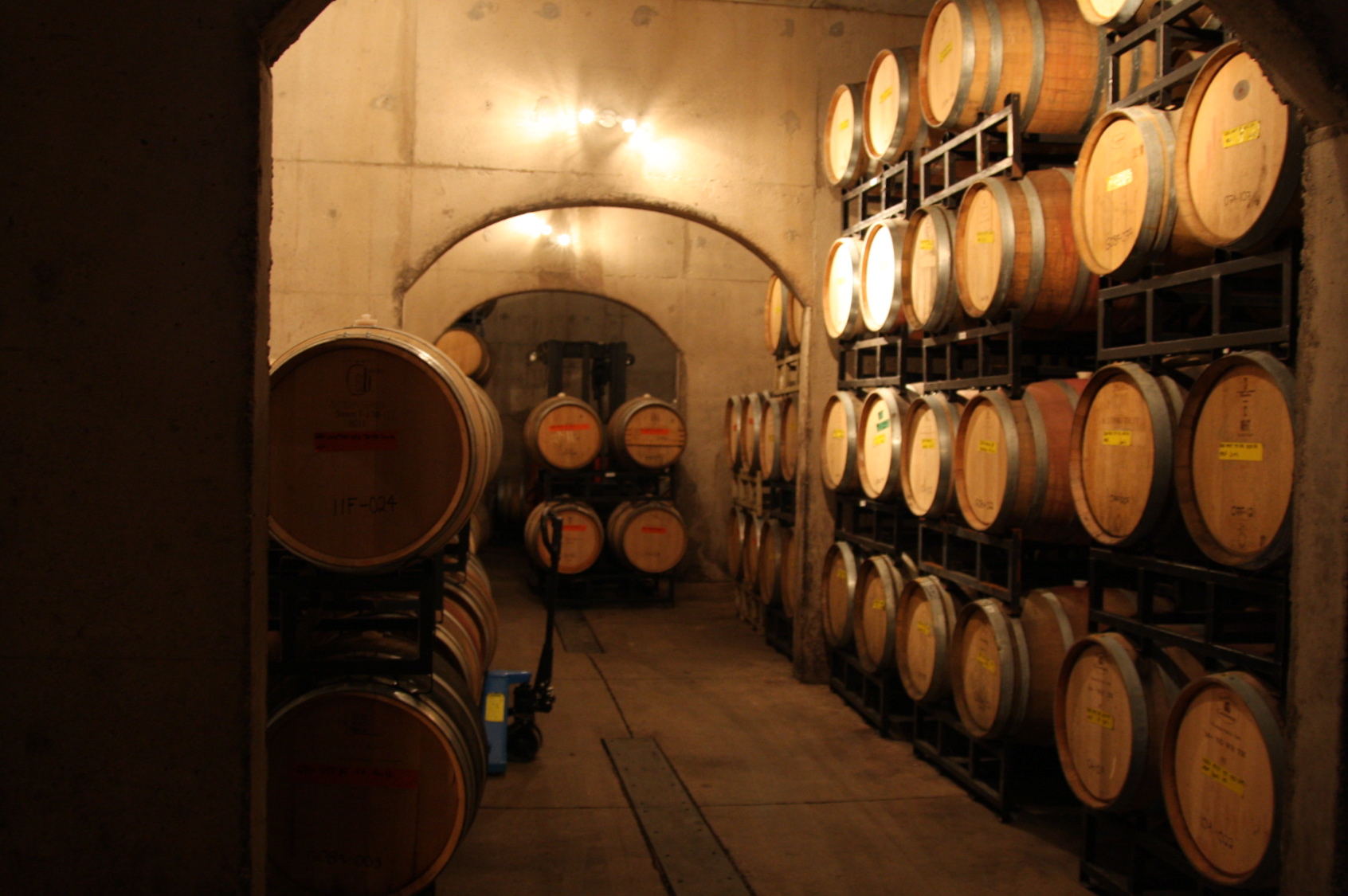

2011 Sauvignon Blanc: Sampled from the tank, this is another super fresh summer sipper. Without doing a side by side comparison with the 2010, it seemed slightly lower in acidity and maybe a little more mellow, but I’d wait until this one is in the bottle to make any conclusions.
2010 Merazier (Merlot/Shiraz/Viognier blend): A very interesting mix bringing the luscious plum fruit from the Merlot, the peppery fruit of the Shiraz, and the floral notes of the Viognier. Again, one to watch for in the future.
2010 Cabernet Franc: Matt told us that the last time he had tasted this it had quite a green pepper component riding on top of the dark, jammy fruit. This tasting however revealed that the green pepper had turned more towards Jalapeno pepper, with an interesting heat component on the palate once the fruit dissipated. They have somewhere between 16-20 barrels of Cab Franc from 2010 and most will end up in Laura’s Red. You know with these guys though, that if one barrel has something different or interesting about it we could see a limited release of a single varietal.
The lost barrel came about when winemakers (Craig McDonald and Rob Power originally, although Craig has since moved on) wondered what would happen if they collected the tippings (the mostly solids/yeasts left in the bottom of the barrel after the wine is bottled) and let it sit. What they found was that each barrel of tippings yielded some juice and by continuously drawing off, they resultant wine had an amazing body. Matt stated that it could be something like 80 or more barrels worth of tippings that eventually make up the single “Lost Barrel”, so this is a labour (and time) intensive process. It spends a long time in used oak (the 2004 vintage was 45 months), so if you have a chance to purchase any of these, jump on the chance.
2007 Lost Barrel and 2006 Shiraz Tippings: This 50/50 blend of 2007 Lost Barrel and 2006 Shiraz Tippings had an unbelievable jammy fruit nose – as big as anything we see from California or Australia. The fruit exploded in the mouth and the supporting fine tannins gave an unbelievable full bodied mouthfeel – smooth and luscious but not the least bit flabby.
2008 Shiraz Icewine (oaked): Using one of the “Keystone” barrels mentioned above, the maple-bacon flavours infused this sweet delicacy. It had an almost port-like quality to it and was not as cloying on the palate as you would expect from an icewine. Another one to watch for as it makes it way into bottles.
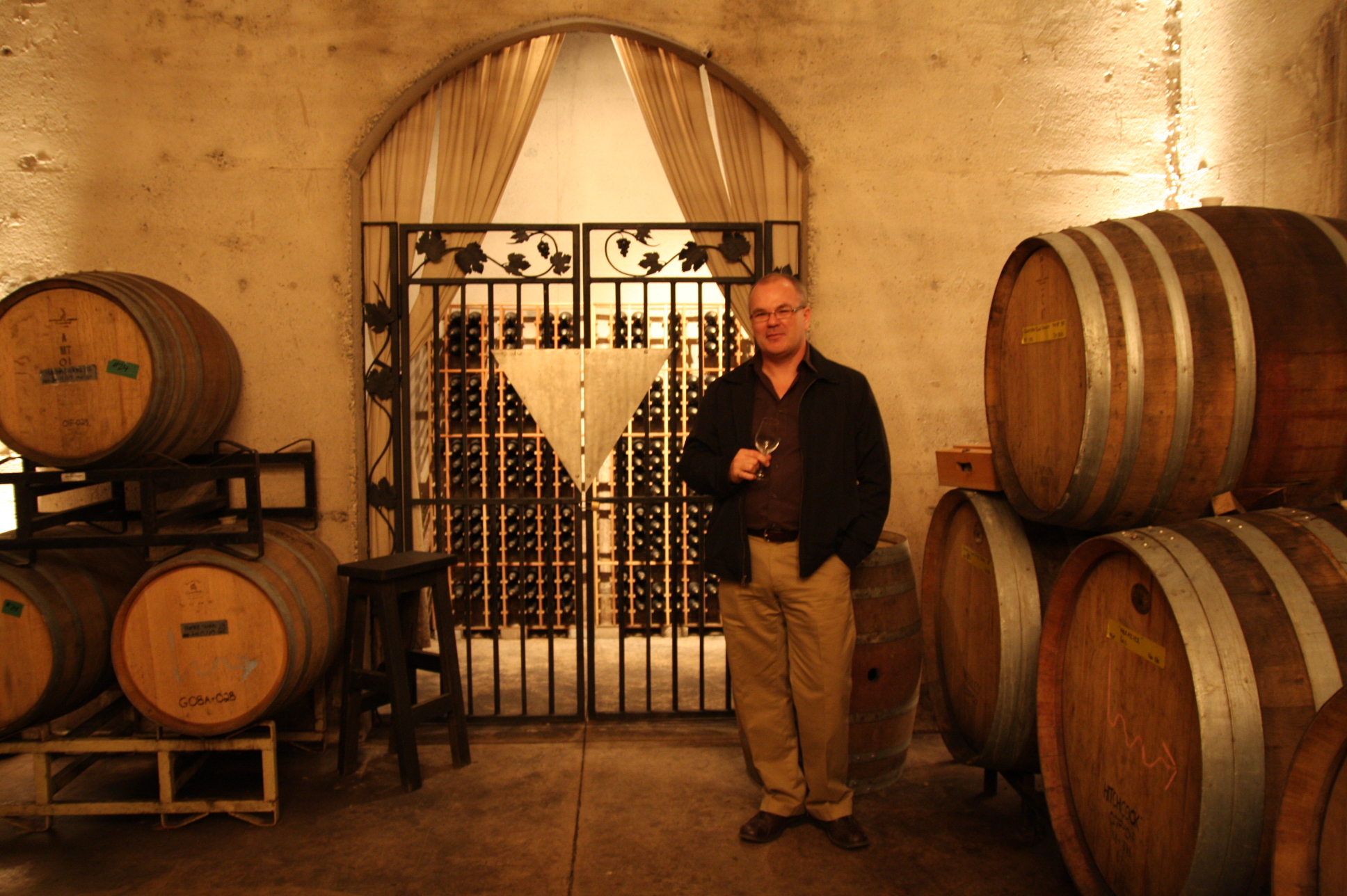
Creekside Estate Winery is showing some real innovation and willingness to experiment in the cellar. With the renewed focus on their line, I’m convinced that this is going to be a winery to watch in the next few years as those experiments make their way into the tasting room (and hopefully your homes). And the best part is, they look like they are having as much fun as anybody in the Ontario wine industry!


